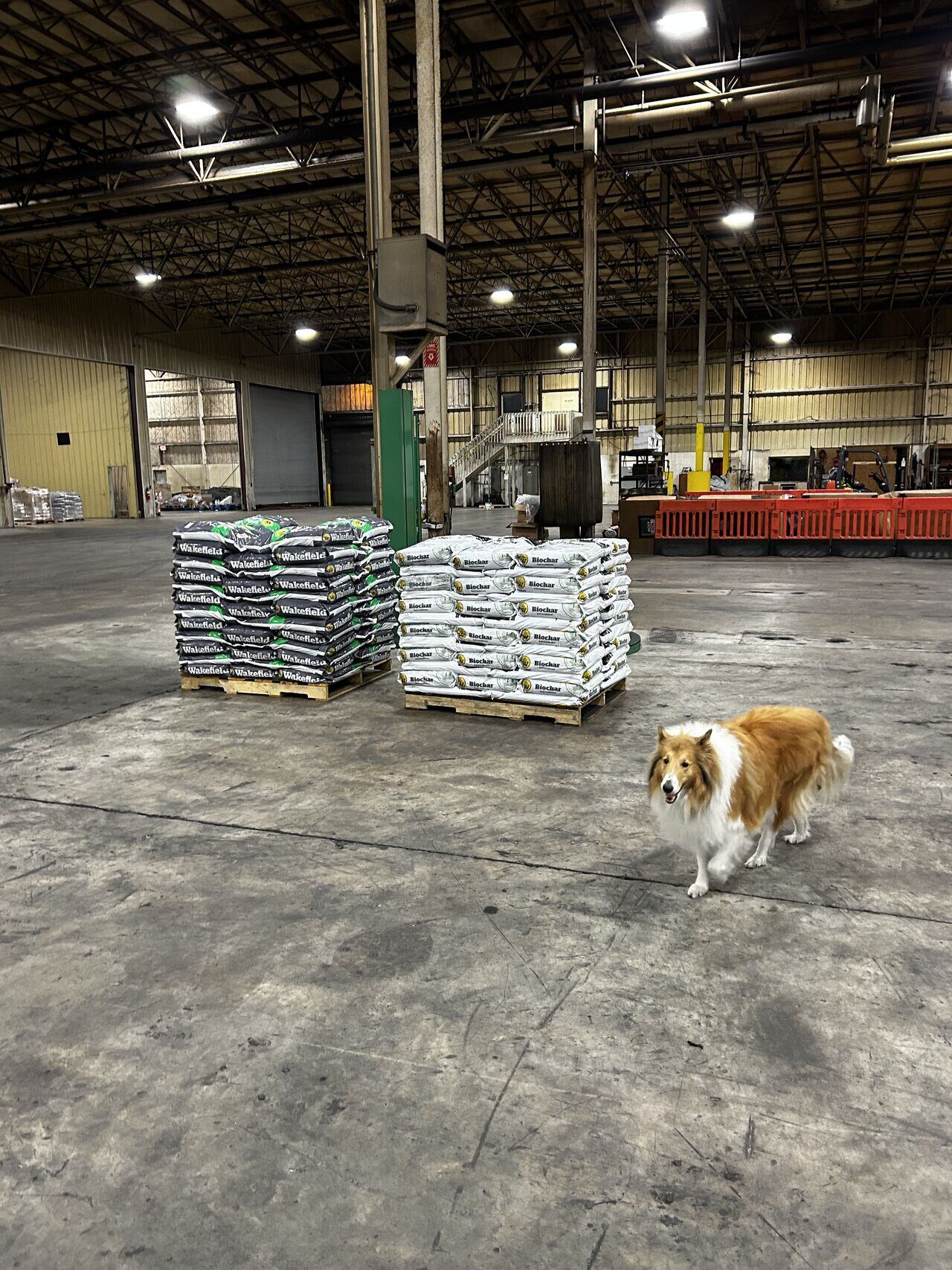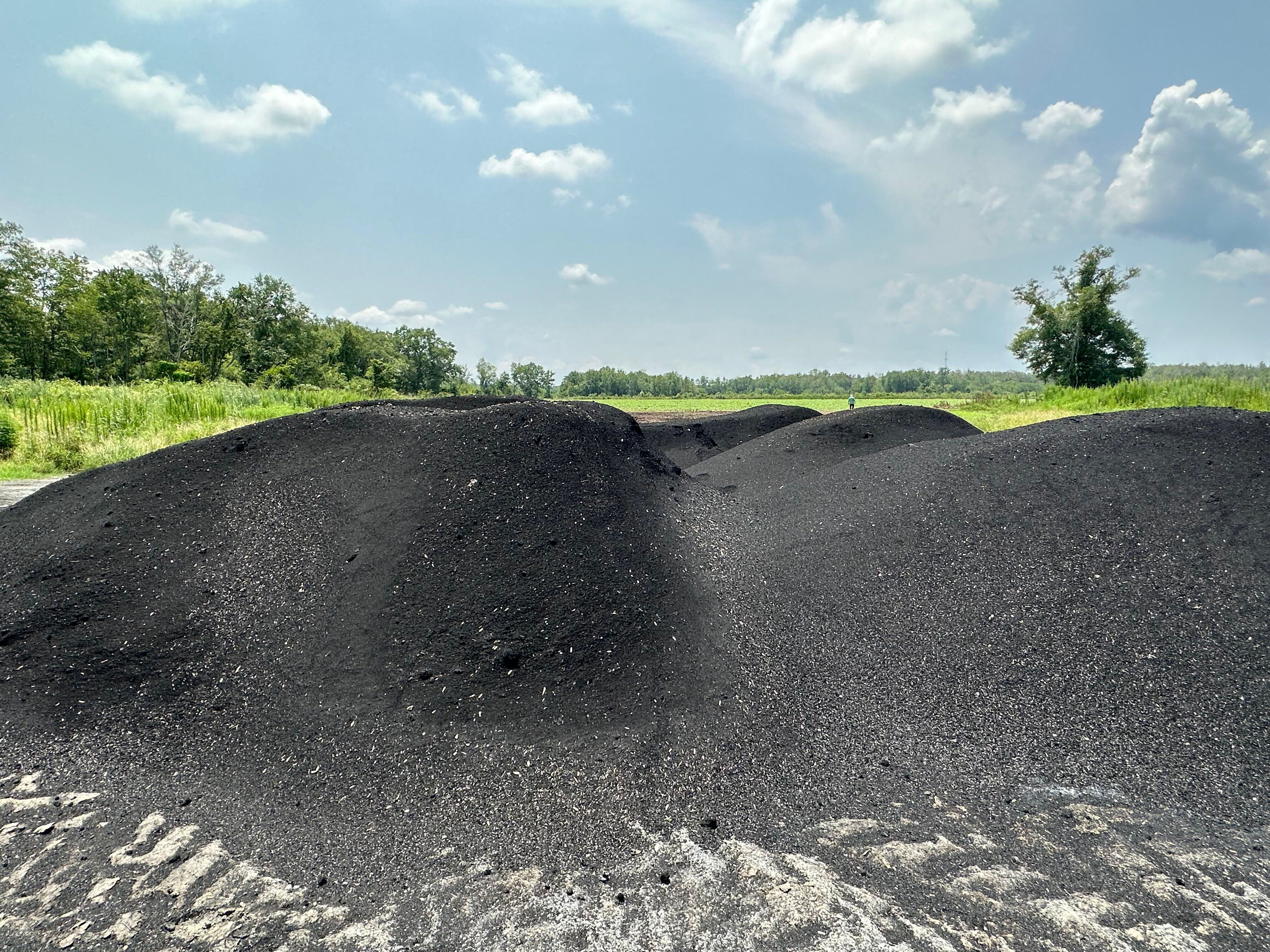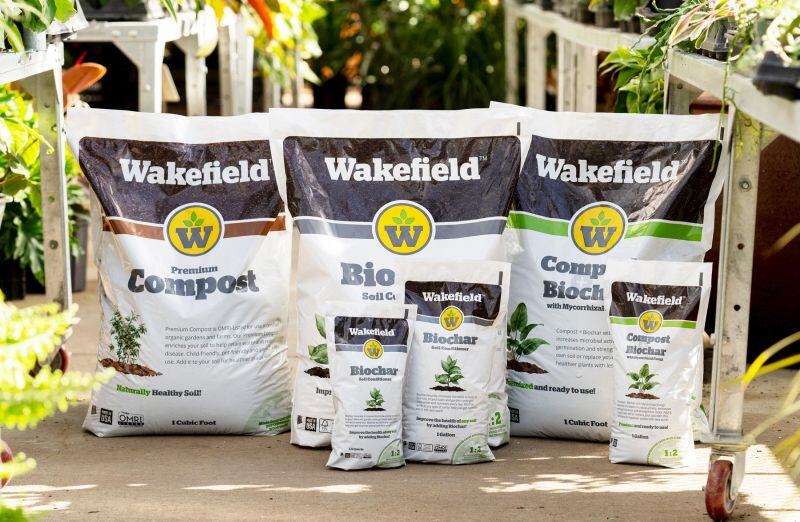
Wakefield BioChar
- Standard: Puro.earth
- Pathway: Biochar
- Credit Type: CORC 100 +
- Facility IDs: Multiple facilities
- Location: Georgia, USA
- Year of first issuance: 2022
- Status: Audited
- Spot Inventory: Yes
- Forward Inventory: ~20,000 units (2027+)
Overview
Wakefield Biochar operates three biochar production facilities (WB2, WB3 and WB4) across Georgia, located in Brunswick, Fitzgerald and Valdosta, with a fourth one soon to become operational (WB5). These sites transform woody residues into biochar for long-term carbon removal, regenerative agriculture, and industrial applications. Together, they form one of the largest biochar operations in the U.S. and a top supplier on the Puro.earth registry, combining scale with regional circularity and community impact. Since first issuance in 2022, Wakefield has delivered 100% of committed tonnes every year, and featured in the CDR.fyi leaderboard in terms of overall volumes delivered.
Feedstock
Each facility utilizes regionally available, certified woody biomass:
- WB2 in Brunswick: Bark and wood residues from an adjacent cellulose mill.
- WB3 in Fitzgerald: Sawdust from a local pine sawmill.
- WB4 in Valdosta: Bark and reject wood chips from an onsite linerboard mill, plus supplementary wood residuals from regional saw and paper mills.
- Future WB5 Facility: Hurricane-damaged wood and industrial wood waste (wood chips and shives) from regional paper and sawmills.
Application
Wakefield biochar is applied across multiple use cases:
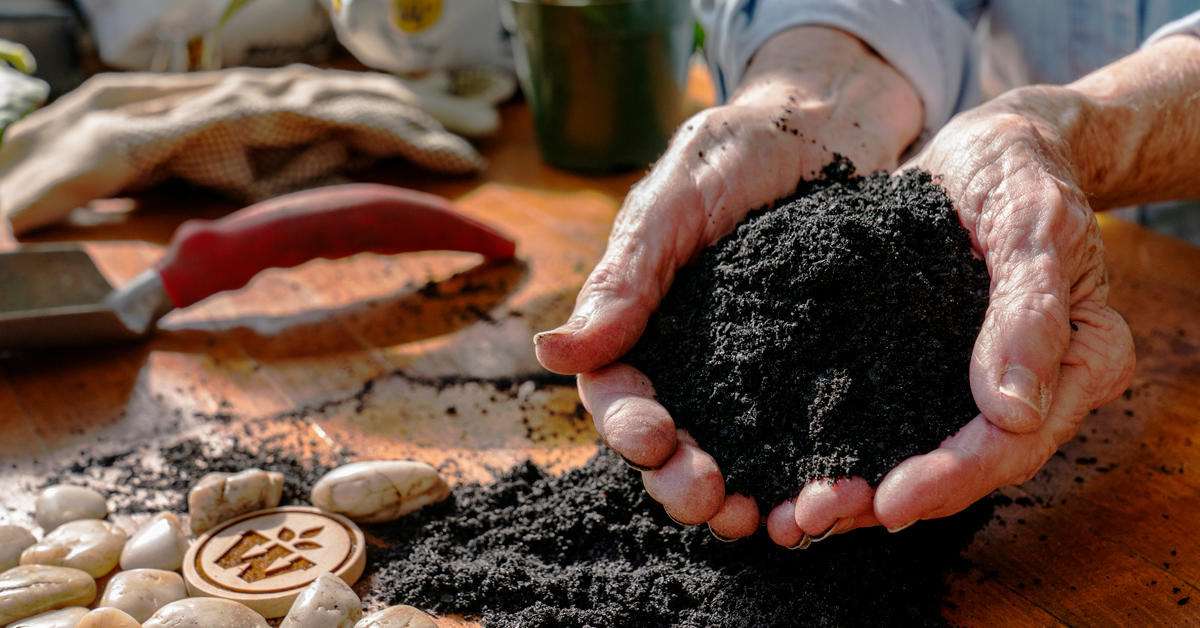
- Soil amendment on farms and pasturelands to improve fertility, water retention, and microbial health.
- Compost enhancement, particularly at the WB4 and WB5 facilities.
- Animal bedding and soil health products
- Wakefield offers subsidized access to farmers to enable adoption in regions with high agricultural bankruptcy rates.
Co-benefits
- Soil Health: Improved structure, nutrient cycling, and reduced N₂O emissions, particularly on drought-prone pasturelands.
- Water Efficiency: Enhanced drought resilience for farms in Georgia’s warming climate.
- Local Economic Impact: Over 80 green jobs created, especially in disadvantaged areas like Valdosta.
- Waste Valorization: Diverts underutilized woody residues from combustion or disposal.
- Innovation: Wakefield leads in scaling dMRV-integrated biochar production
Additionality
- Environmental additionality: In the absence of these projects, most feedstock would be landfilled, combusted, or used in industrial applications where carbon is re-released.
- Financial additionality: Carbon revenues are essential across all sites, covering spreading, hauling, processing, and compliance costs. Soil application is less lucrative than industrial alternatives.
- Regulatory additionality: None of Wakefield’s biochar production or end-use activities are required by law at federal, state, or local levels.