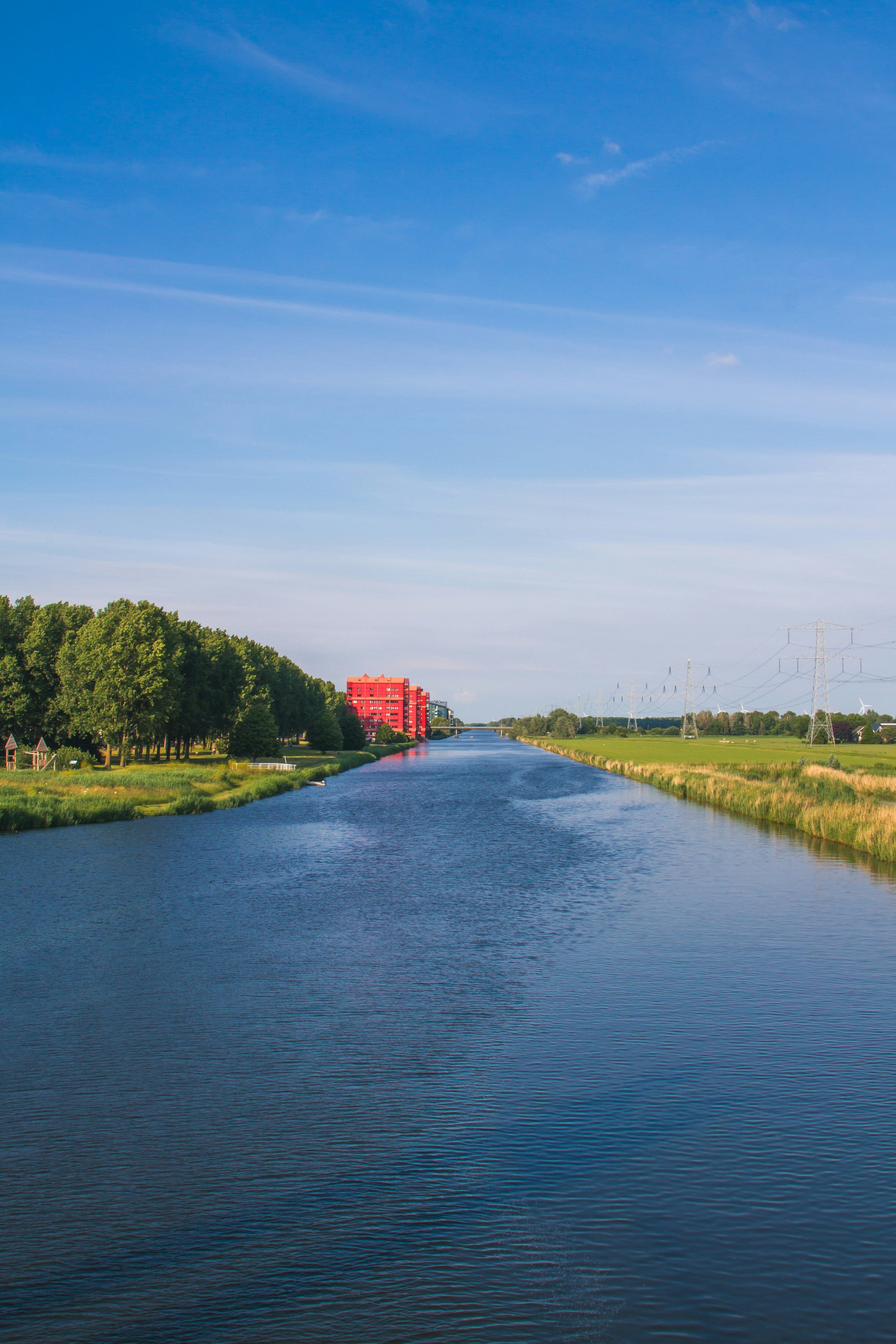
P4S
- Standard: Puro.earth
- Methodology: Biochar
- Facility ID: 783452
- Location: Netherlands
- Year of first issuance: 2028
- Status: Pre-operational — first issuance expected 2028
- Spot Inventory: No
- Forward Inventory: ~1,000 units (2028+)
Overview
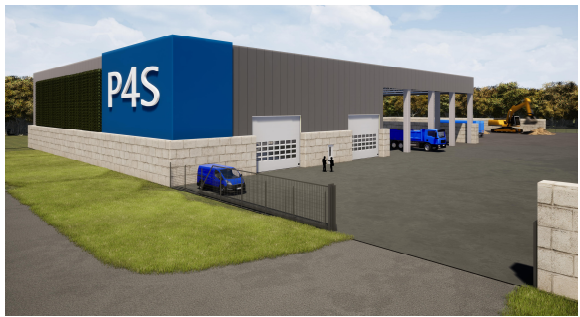
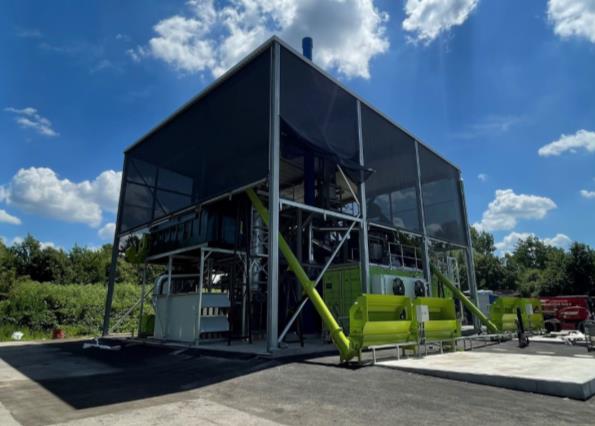
P4S is a biochar production project located in Almere, Netherlands, co-sited with a local recycling and upcycling centre. The facility will convert woody biomass waste into biochar, sequestering carbon while valorizing local waste streams that would otherwise be incinerated. Operating with a circular economy model, the project is backed by the Municipality of Almere and the Province of Flevoland as part of their regional sustainability agenda. The project has reached Final Investment Decision, with institutional project finance secured. Operations are planned to commence in 2027, with first credit issuance expected in 2028.
Feedstock
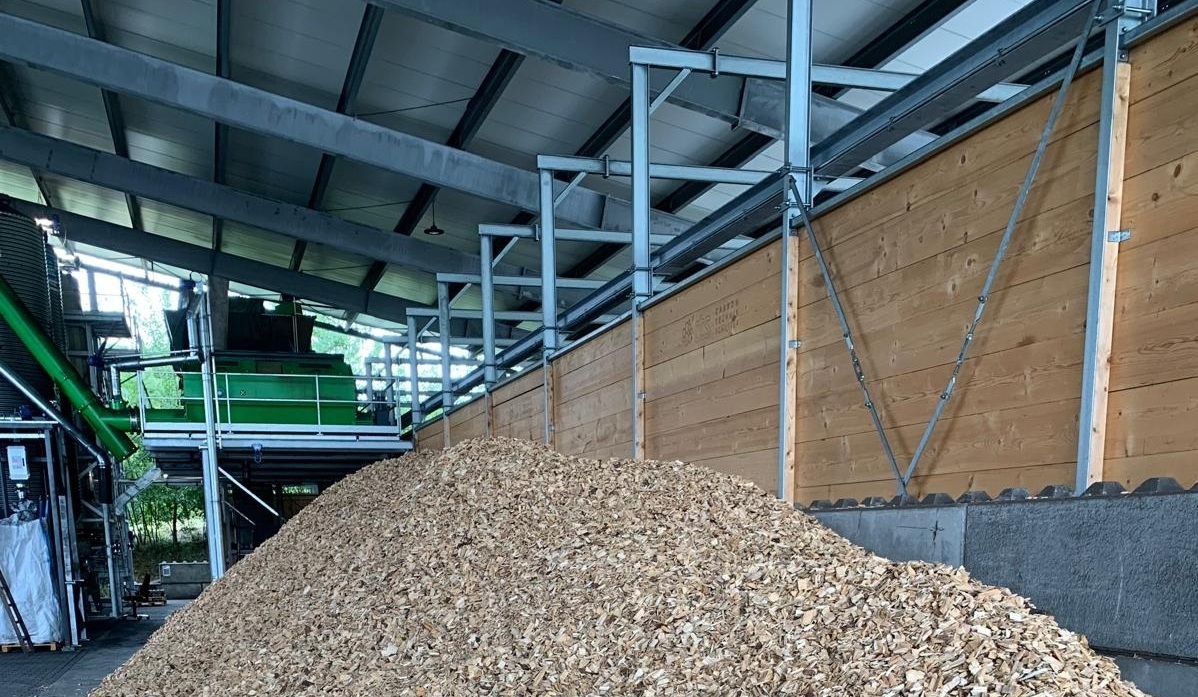
The feedstock is locally sourced woody biomass waste, comprising pruning off-cuts and maintenance wood from urban forestry and landscape management, and unusable pallets. All feedstock is pre-processed by the co-located recycling partner onsite.
Application
- Agriculture: Biochar is applied to fields to improve soil health and increase nutrient and water retention.
- Animal feed additive: incorporated into livestock feed to support gut health and reduce methane emissions.
Co-benefits
- Soil Health: Biochar application improves soil structure, increases nutrient and water retention, and reduces N₂O emissions.
- Conversion of waste biomass into valuable products, contributing to a local circular economy.
- Creation of green jobs in the local community.
Additionality
- Environmental additionality: The baseline for the feedstock is transport to an incineration facility 200 km away, where it is combusted for electrical and heat energy, resulting in the release of CO₂ to the atmosphere.
- Financial additionality: Carbon credit revenue is essential to the project's viability, financing capital expenditure, operating costs, and serving as collateral for debt financing.
- Regulatory additionality: The project is not required by existing laws, regulations, or other binding obligations.