Severn Wye Biochar
- Standard: Isometric
- Methodology: Biochar Production and Storage, v1.3
- Registry ID: Pending
- Location: United Kingdom
- Expected first issuance: 2027
- Status: In development
- Spot Inventory: No
- Forward Inventory: Up to 2,500 tCO₂e/year
Description
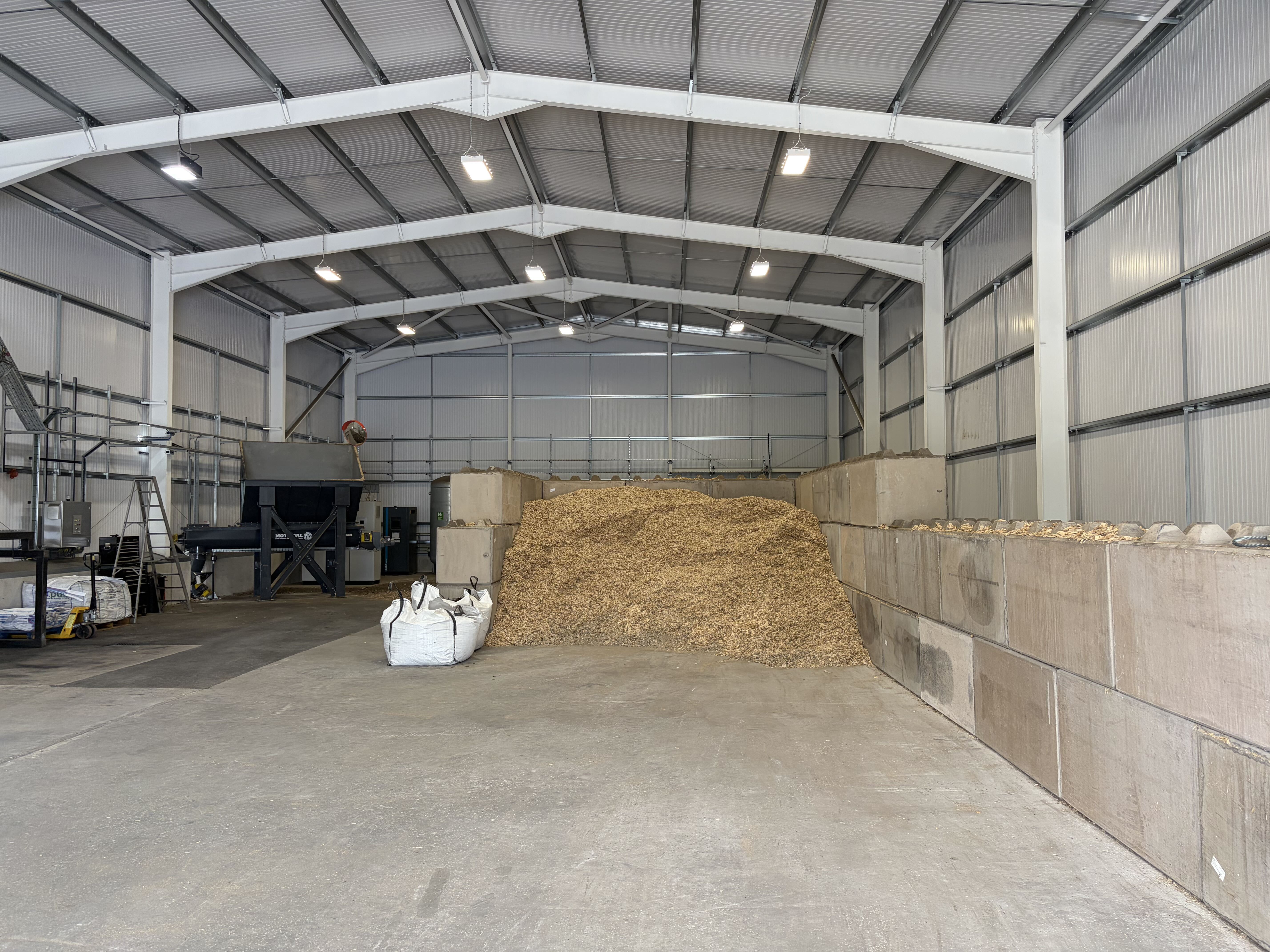
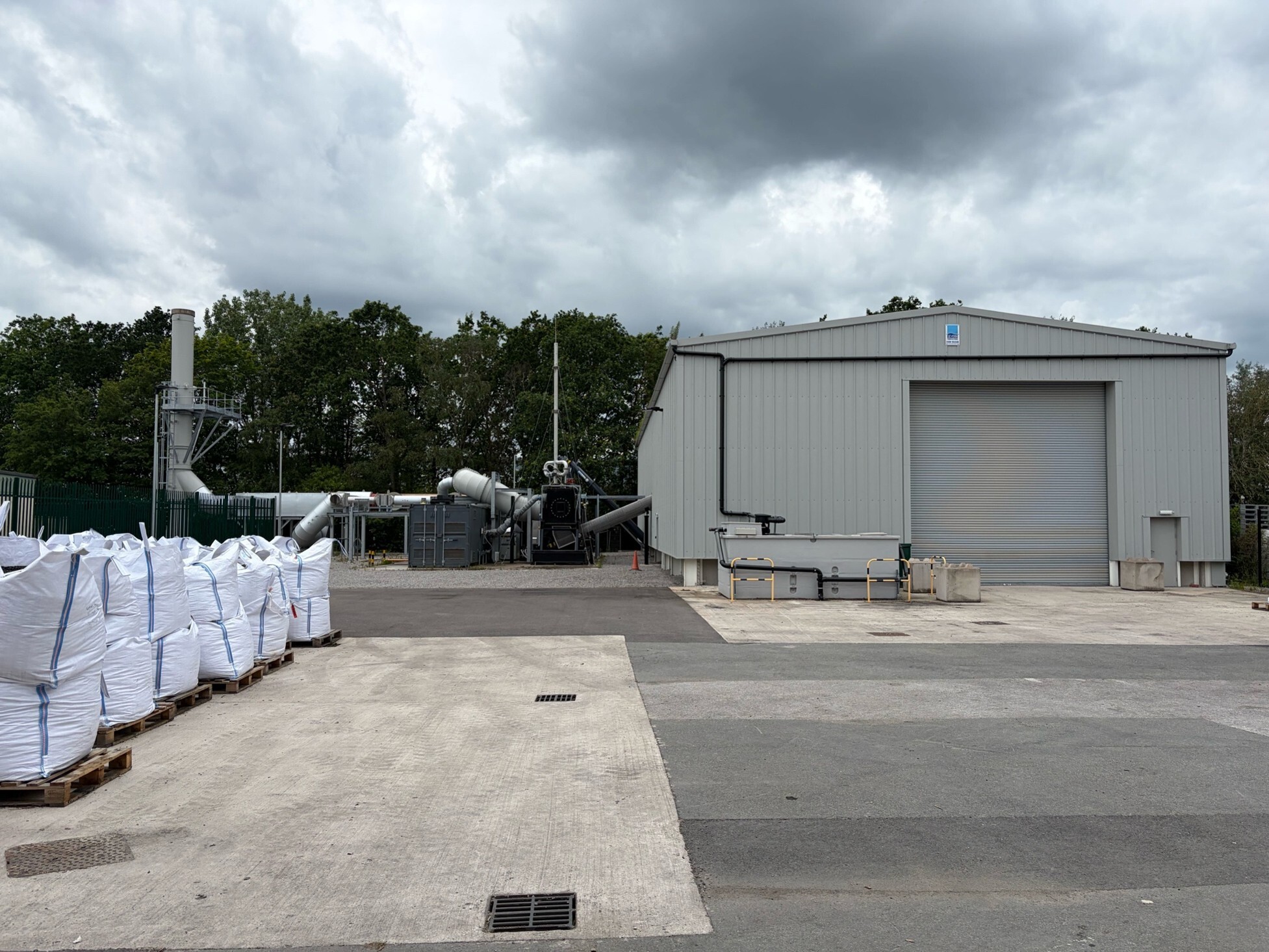
Severn Wye Biochar runs a plant in Warrington, north-west England, built with a £5 million grant from the UK government’s greenhouse gas removal innovation programme, run by the Department for Energy Security and Net Zero. The company is a wholly owned subsidiary of the Severn Wye Energy Agency, a UK charity working on sustainable energy and fuel poverty, named after two rivers in its home region. The company's profits are expected to flow to the agency to support this work. The plant is designed to run around the clock, turning around 4,000 tonnes of wood residues a year into roughly 1,000 tonnes of biochar.
Feedstock
-
Clean, untreated wood residues from an established regional biomass supplier certified under Woodsure, the UK’s quality assurance scheme for wood fuel.
Application
- Agriculture: biochar will be applied directly to soil on UK farms.
-
Horticulture: biochar may also be supplied for horticultural use in the UK.
- Construction materials: the company is exploring the use of its biochar in building materials.
Co-benefits
- Through its charity owner, the company's profits are expected to help households struggling to pay their energy bills.
- The plant will create eight skilled jobs and source its feedstock and maintenance services from regional and UK businesses.
- Heat released during production will be turned into carbon-negative electricity, which the plant aims to sell to nearby users.
- Biochar supports soil health: its porous structure increases the soil’s water-holding capacity, and its high surface area and charge help retain nutrients such as nitrogen and phosphorus in the root zone.
Additionality
- Environmental additionality: Without the project, the feedstock would be left to decompose, releasing its carbon as CO₂.
- Financial additionality: Carbon credit revenue is one of three income streams the plant needs to be viable, alongside biochar and electricity sales. Without it, the project is loss-making over ten years, even with its government grants counted as income.